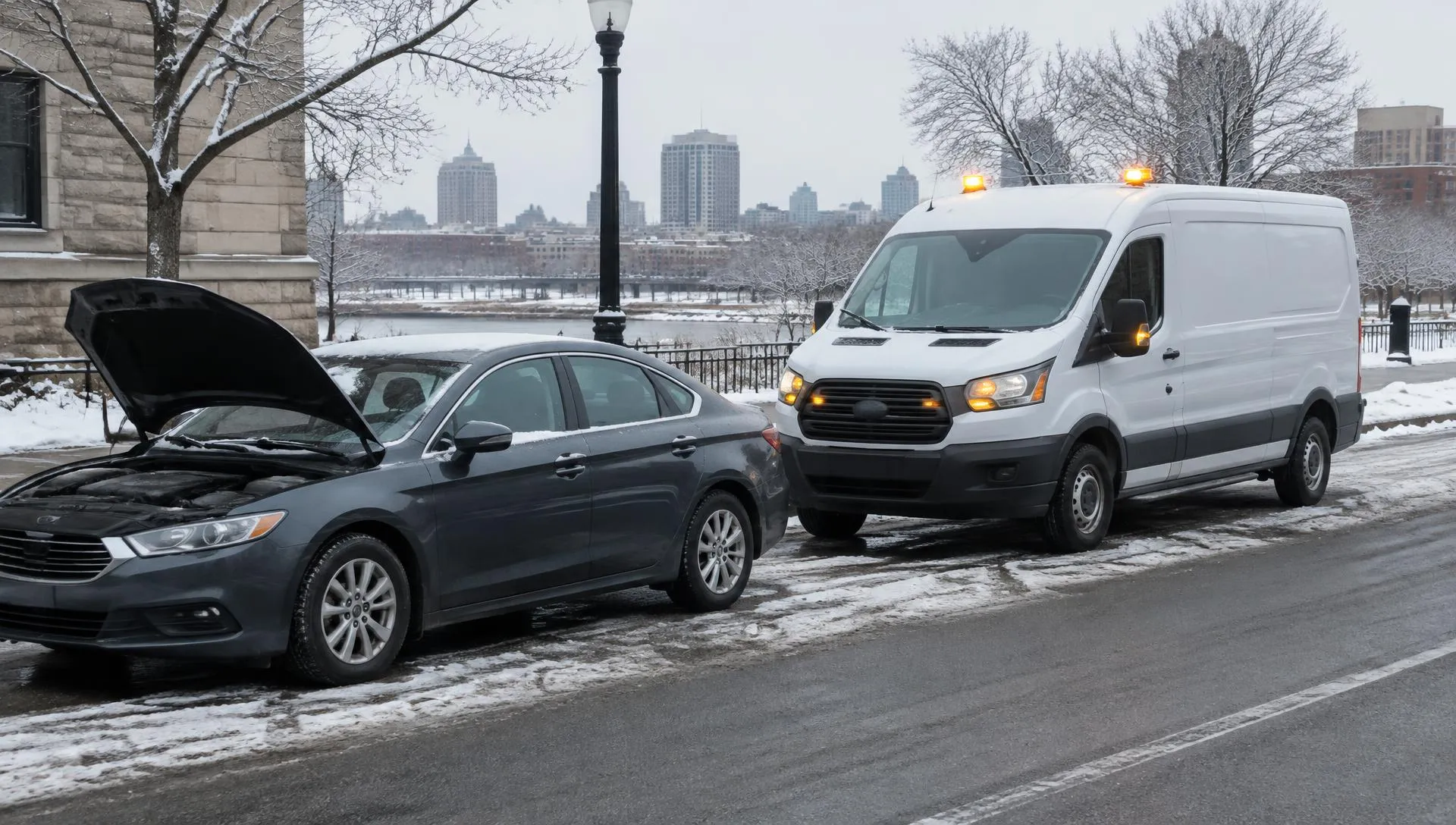
Every year the first truly cold week in the Twin Cities brings a wave of dead batteries. Most of them didn't die overnight. They were already weak, and the cold was the last straw. The good news is that a battery usually gives warnings, and a little preparation in the fall goes a long way.
Why the first cold snap is the danger zone
A battery's power comes from a chemical reaction that slows down as temperatures drop. At the same moment, cold oil makes the engine harder to turn. So the battery has less to give right when the engine needs more. A battery that was "fine" all summer can suddenly come up short the first morning it's well below freezing.
Summer heat plays a part too. Heat speeds up the wear inside a battery, so a hot summer often shows up as a failure the following winter.
Step 1: Know your battery's age
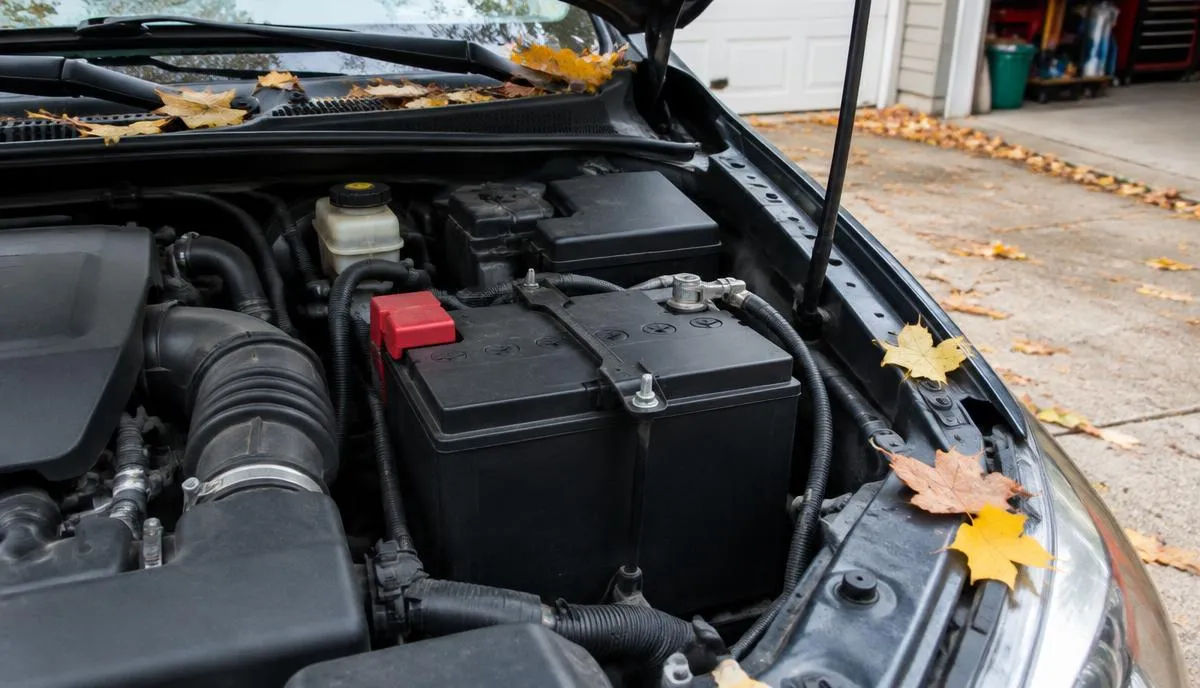
Look at the battery's label or the sticker on top; many show a month and year. If yours is several years old and you don't remember replacing it, treat it as a candidate for testing before winter.
Step 2: Watch for the warning signs
- The engine cranks slower than it used to, especially on cool mornings.
- Headlights dim when the engine is idling or when you start the car.
- The battery or charging light flickers on the dash.
- You've needed a jump recently.
- The battery case looks swollen, cracked, or is leaking.
- You smell rotten eggs near the battery (a sign of a battery in trouble; keep your distance).
One of these alone is worth paying attention to. Two or more, with winter coming, is a good reason to act now.
Step 3: Clean and tighten the connections
Corrosion (white, blue or green crust) on the terminals acts like a clog between the battery and the car. If you're comfortable doing it with the engine off: disconnect the negative cable first, then the positive; clean with a baking-soda-and-water mix and a wire brush; rinse lightly and dry; reconnect positive first, then negative, and make sure both are snug. Wear gloves and eye protection. If you'd rather not, a technician can check and clean them for you.
Step 4: Fix the habits that drain it
- Short trips. Starting the engine uses a lot of charge, and a 5-minute drive doesn't put it back. Combine errands into one longer drive when you can.
- Accessories left on. Dash cams, phone chargers and interior lights can slowly drain a battery while the car sits.
- Long idle stretches. If a car sits for days in the cold, the battery slowly loses charge. A battery maintainer (trickle charger) helps cars that aren't driven daily.
Step 5: Use heat to your advantage
- Garage it. Even an unheated garage keeps the car warmer than the street or a parking lot.
- Plug in the block heater if your car has one. A warmer engine is easier to turn over, which takes load off the battery.
- Battery warmers/blankets are another option for cars parked outside overnight.
Step 6: Decide before the cold decides for you
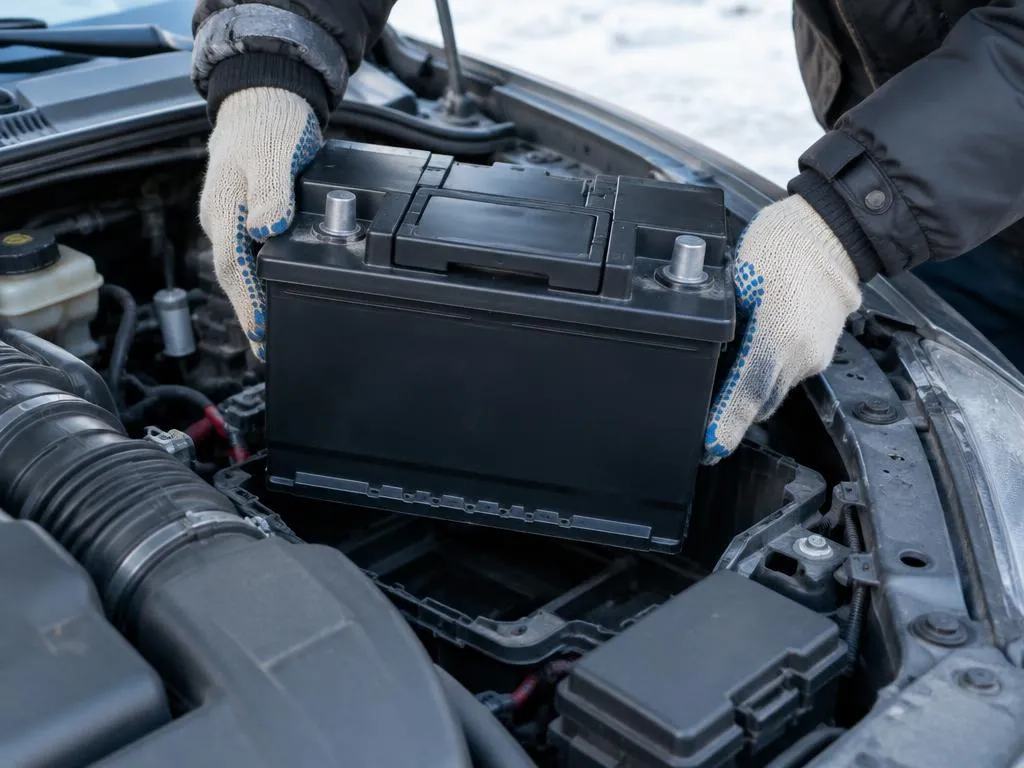
If your battery is older, has needed jumps, or shows warning signs, replacing it on your schedule beats replacing it in a grocery-store lot at 7 AM. UK Roadside can bring a new battery to your home, work or parking lot and install it where the car sits. We confirm your year, make and model when you call so we bring the right one. See Battery Replacement.
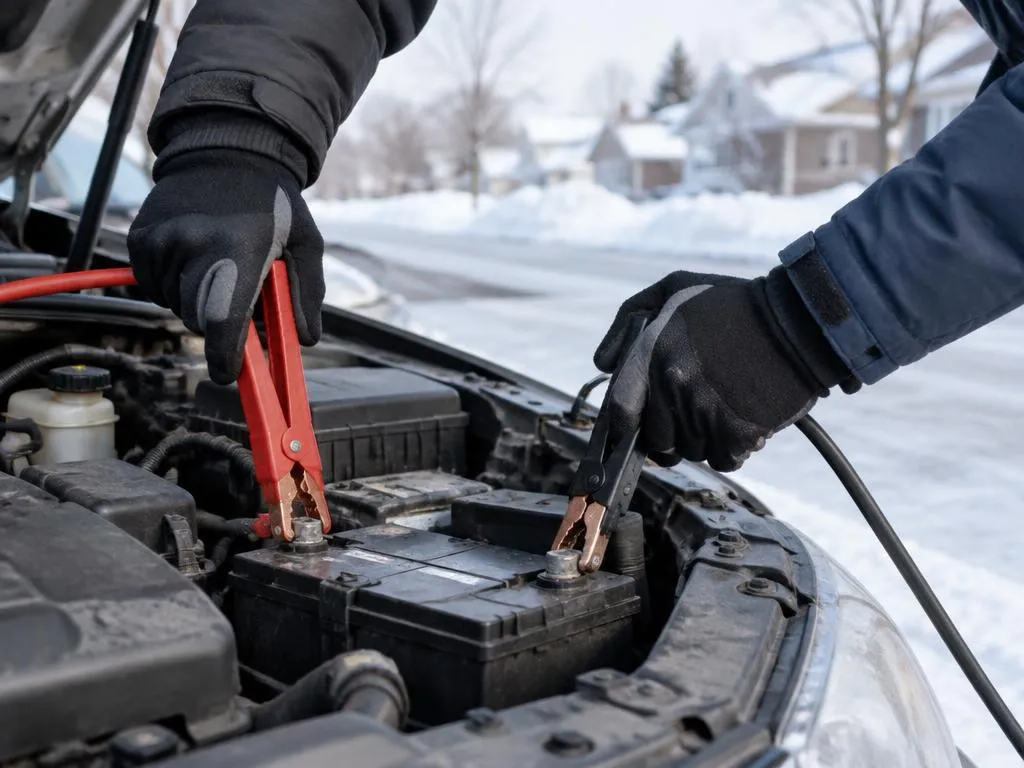
And if it already gave up, start with a jump start and we'll tell you honestly whether the battery looks like it'll make it through the winter.
Quick pre-winter checklist
- Battery age checked
- Terminals clean and tight
- No swelling, cracks or leaks
- Block heater cord works (if you have one)
- Jumper cables or a charged jump pack in the car
- UK Roadside's number saved: (855) 799-4711